
Feline acne, or better known as cat acne, is a common skin condition that usually appears on a cat’s chin and lower lip. It often looks like small black specks, similar to dirt or coffee grounds stuck in the fur. In some cats, it stays mild. In others, it can become red, swollen, or infected if not managed properly.
While it may look concerning, cat acne is generally manageable with proper care and monitoring.
Key Takeaways
- Feline acne is a common skin condition that typically appears as blackheads on a cat’s chin.
- It is caused by clogged hair follicles due to excess oil (sebum) and keratin buildup.
- Mild cases are usually not painful, but inflammation or infection can lead to swelling, redness, and discomfort
- Plastic bowls, residue buildup, skin sensitivity, and secondary bacterial or yeast infections may contribute to flare-ups.
- Daily chin hygiene and clean food and water bowls help manage and prevent recurrence
- Avoid squeezing or scrubbing the bumps or acnes, as this can worsen inflammation and delay healing.
- Most cases are manageable, but persistent, painful, or worsening acne requires further evaluation.
Why Does Cat Acne Happen?
Cat acne is not fully understood but is believed to involve abnormal overproduction of keratin, a structural protein that forms the outer layer of the skin.
Most cases begin with blackheads (comedones) on the chin, caused by clogged hair follicles filled with sebum and keratin. Veterinary studies report comedones in 73% of cases, followed by hair loss (68%), crusting (55%), small raised bumps or papules (45%), and redness (41%).
Several factors may contribute to flare-ups:
1. Excess Oil and Keratin Build-Up
When hair follicles become blocked with excess oil (sebum) and dead skin cells, the natural drainage pathway is disrupted. Instead of flowing to the surface and shedding normally, the trapped material accumulates inside the follicle.
As this buildup is exposed to air, it oxidises and darkens, forming visible blackheads in cats (comedones). Over time, continued blockage can stretch the follicle wall, increasing the risk of inflammation or secondary infection if bacteria multiply within the clogged pore.
2. Poor Chin Hygiene
Food particles, saliva, and natural skin oils can collect on a cat’s chin during and after meals. Because the chin frequently comes into contact with bowls and wet food, residue can remain on the fur and skin surface.
If this buildup is not cleaned regularly, it may mix with sebum and dead skin cells, increasing the likelihood of follicle blockage. Persistent moisture and residue can also create an environment that encourages bacterial growth, further aggravating clogged pores and inflammation.
3. Bowl Material
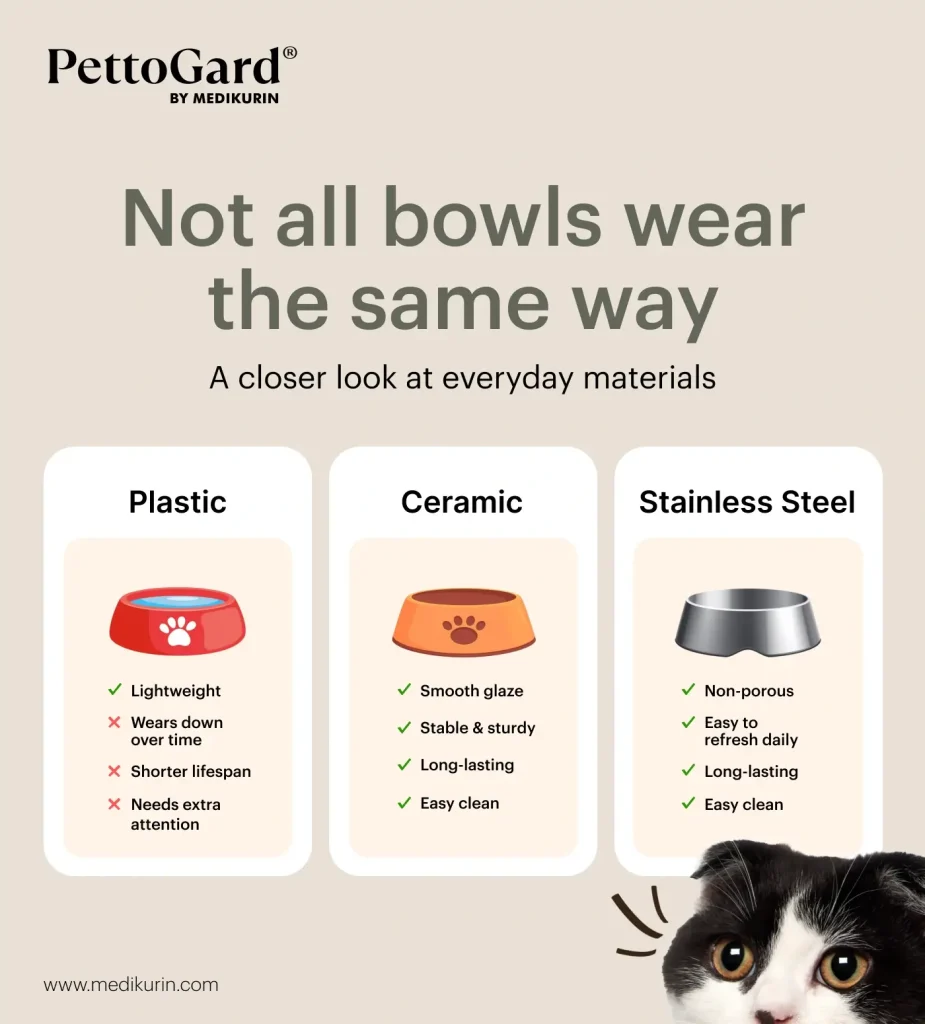
Beyond concerns about chemicals such as BPA potentially leaching into food, plastic bowls can also harbor bacteria. Many pet owners may not clean food and water bowls as frequently as recommended, but even with regular washing, plastic can remain difficult to fully sanitize.
Over time, plastic surfaces develop microscopic scratches and cracks that trap residue and bacteria. While the visible surface may appear clean, microorganisms can persist within these tiny crevices. As a result, bacteria may remain despite thorough cleaning, potentially exposing cats to contamination during feeding.
4. Stress or Underlying Skin Sensitivity
Cats with allergies or sensitive skin may experience more frequent acne flare-ups. Allergies can increase skin inflammation and disrupt the normal skin barrier, making follicles more likely to clog and become irritated. Managing the underlying sensitivity can help reduce recurring episodes.
Is Cat Chin Acne Painful?
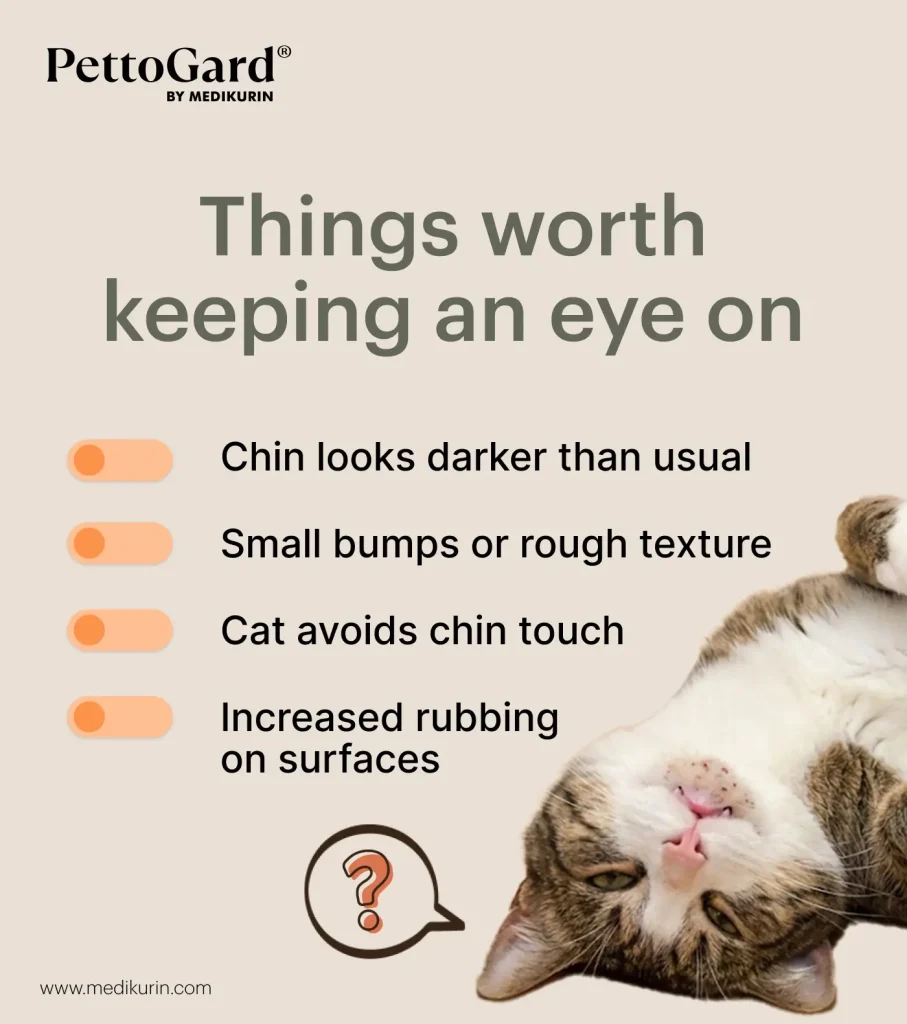
Mild blackheads are usually not painful and may go unnoticed by the cat. However, when inflammation or secondary infection develops, the chin can become sore, swollen, or sensitive to touch.
At this stage, you may notice behavioural changes. Cats might pull away when you touch their chin, resist grooming, or rub their chin more often against furniture, scratching posts, or the floor. Increased rubbing can further irritate the skin and worsen the inflammation if not addressed.
How to Treat Cat Acne at Home
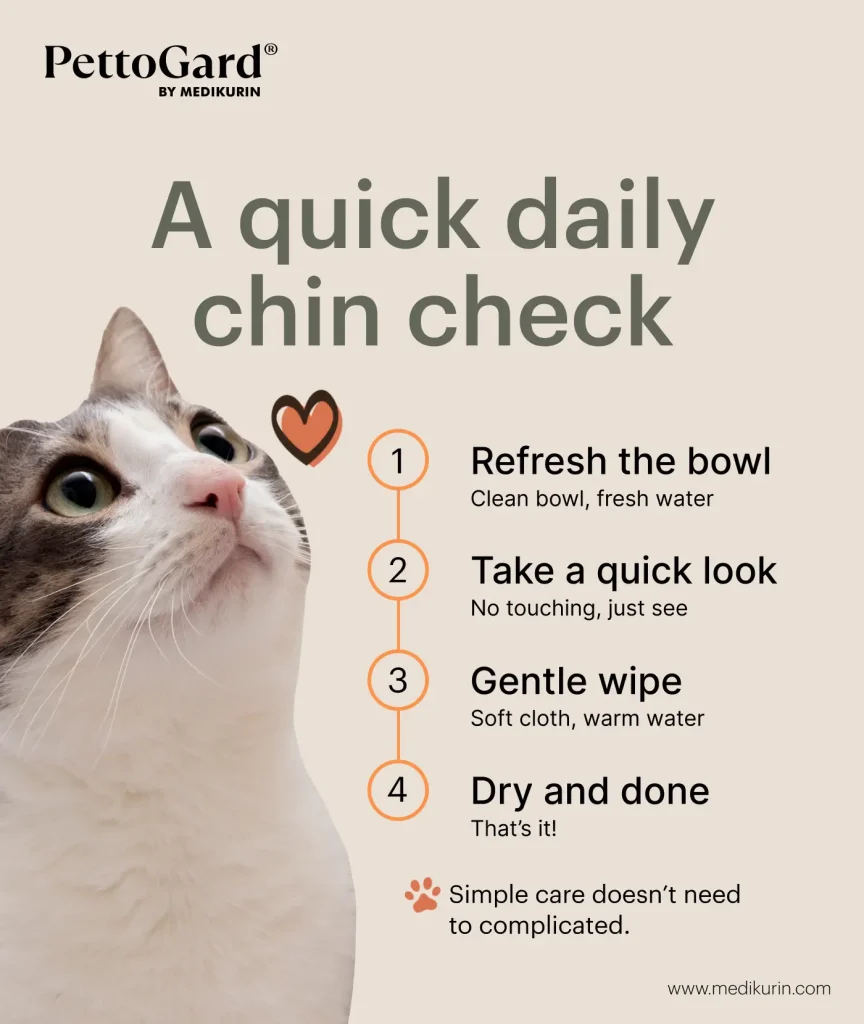
For mild cases without swelling or discharge, feline acne treatment can be done by :
- Gently clean the chin using an antimicrobial spray to reduce bacteria and soothe the skin. Sprays containing hypochlorous acid (HOCI) are effective yet gentle, and safe if licked. PettoGard® Antimicrobial Skin Care & Wound Spray for Cats can be used 3 to 4 times daily, including at each bandage change if needed. For better understanding, read our previous-written article on HOCI here.
- Keep the chin area dry after cleaning and gently pat the chin dry with a clean cloth to prevent moisture from lingering, as damp skin can encourage irritation and bacterial growth.
- Wash food and water bowls daily, especially if using plastic. Regular cleaning helps remove food residue, oils, and bacteria that may contribute to clogged pores. If possible, switch to stainless steel or ceramic bowls, as their non-porous surfaces are less likely to trap bacteria and are easier to keep clean
- Avoid squeezing or scrubbing blackheads, as this can worsen inflammation. Picking at acne or scrubbing too firmly can damage the skin barrier, push inflammation deeper, and increase the risk of infection.
When Should You See a Veterinarian?
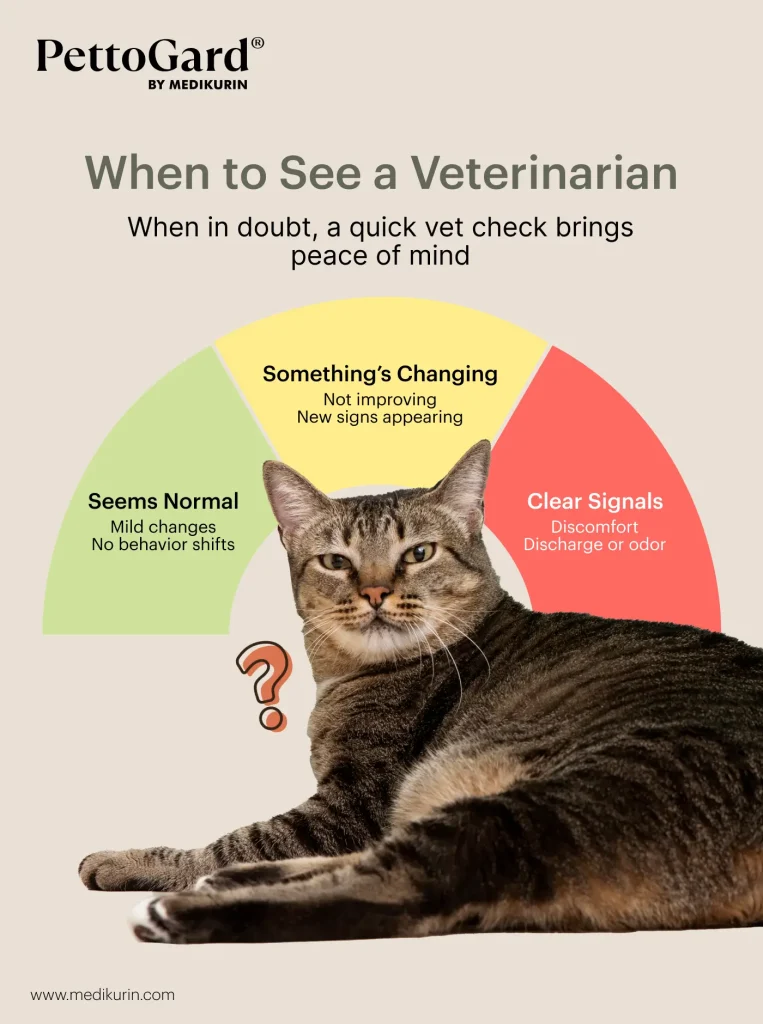
While many cases stay mild, veterinary evaluation is recommended if you notice:
- Redness or swelling
- Bleeding or discharge
- Rapid worsening
- Foul odor
- Thickened or painful skin
These signs suggest inflammation or infection that may require targeted treatment.
Does Cat Chin Acne Go Away Completely?
Some cats experience a single mild episode. Others may have recurring flare-ups throughout life. Chin acne can behave as a chronic but manageable condition. Consistent hygiene and monitoring often reduce severity and frequency.
Conclusion
Cat chin acne is common, often mild, and usually manageable with simple daily care. In many cases, you can treat cat acne at home with gentle cleaning and consistent hygiene practices.
While it may look concerning at first, early attention can prevent minor blackheads from progressing into more inflamed or uncomfortable spots. Understanding what’s normal and when to seek veterinary advice helps you keep your cat’s skin healthy and comfortable.
FAQs
1. Can feline acne go away on its own?
Yes, mild cases especially those limited to blackheads without redness or swelling can sometimes resolve on their own. This is more likely if contributing factors such as bowl hygiene or residue buildup are addressed early. However, without consistent care, flare-ups may return. Gentle cleaning and preventive maintenance significantly reduce recurrence.
2. Is feline acne contagious?
No, feline acne is not contagious to other cats, pets, or humans. It is a skin condition related to follicle blockage rather than an infectious disease. That said, if secondary bacterial or fungal infection develops, maintaining proper hygiene and limiting contact with open wound is advisable until the condition improves.
3. Can I pop the pimples or blackheads?
No. Squeezing or manipulating cat pimples can push inflammation deeper into the skin, increasing pain and the risk of infection or scarring. The skin on a cat’s chin is delicate, and aggressive handling may worsen the condition. It is best to avoid picking and allow appropriate treatment to work.
4. Why does my cat’s acne keep coming back?
Recurring acne often indicates an ongoing trigger. This may include excess oil production, residual food on the chin, bowl hygiene issues, mild allergies, or skin sensitivity. Some cats are simply prone to get feline acne due to how their follicles shed skin cells. In chronic cases, long-term maintenance rather than one-time treatment is necessary.
5. Should I be concerned if my cat has acne?
In most cases, feline acne is mild and manageable. However, concern is warranted if the chin becomes red, swollen, painful, or produces discharge. Rapid worsening or repeated flare-ups also justify closer evaluation to prevent complications and ensure appropriate care.
6. Can I scrub or scrape off my cat’s acne?
No. Scrubbing, squeezing, or scraping blackheads can damage the skin and cause bleeding, infection, or scarring. The chin area is sensitive, and aggressive cleaning often makes inflammation worse. Stick to gentle cleansing and follow your veterinarian’s advice if acne persists or worsen.
7. What type of food and water bowl is best for cats with acne?
Non-porous bowls such as stainless steel, ceramic, or glass are recommended. These materials are less likely to harbour bacteria and are easier to clean thoroughly. Avoid plastic bowls, as scratches on the surface can trap bacteria and contribute to chin irritation. Wash bowls daily with mild soap and ensure they are fully dried before reuse.
8. How can I check for acne if my cat has a dark chin?
In dark-coated cats, acne may not appear as obvious black specks. Instead, gently feel the chin for small bumps, rough texture, crusting, or thickened skin. You may also notice mild swelling, redness at the lip line, or dampness from repeated licking.
Part the fur under good lighting and check for raised comedones, tiny scabs, or inflamed follicles. If the area feels gritty or uneven compared to normal skin, further monitoring or veterinary advice may be needed.